Rack System — Loudoun · Fairfax · Prince William
Cantilever Rack Systems in Northern Virginia
Long-load storage with no front column — structural and roll-formed arms up to 72 inches, for lumber, pipe, steel, and rolled goods.
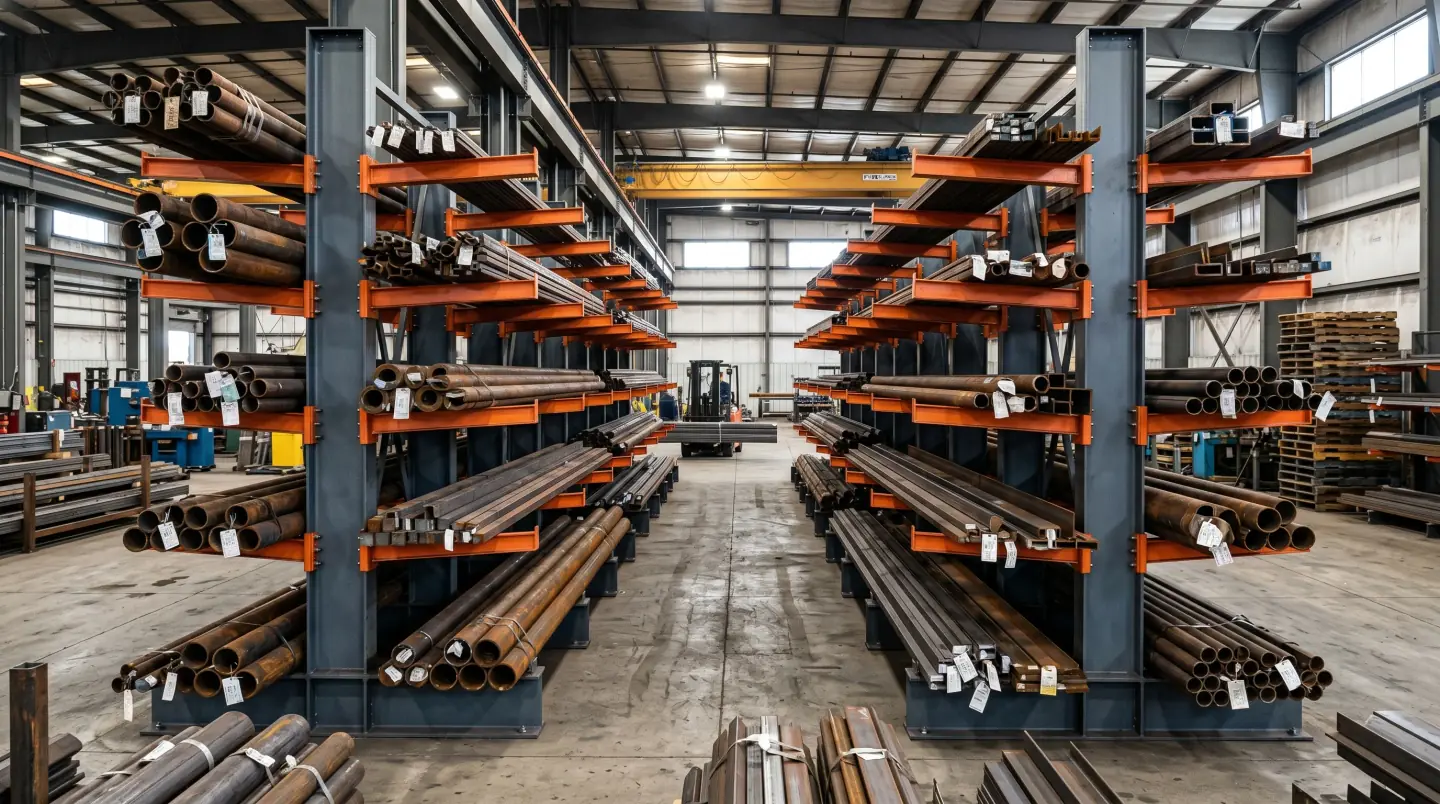
Cantilever Rack supplied and installed across the Dulles corridor. Free, no-obligation quotes.
Overview
Cantilever Rack in Northern Virginia
Cantilever rack is the purpose-built storage system for long loads — material that is longer than a standard pallet and often cannot be palletized at all. A cantilever system uses vertical columns with horizontal arms extending outward; because there is no front column obstructing the load face, lumber packs, pipe bundles, steel bar, tubing, rolled goods, and oversize fabricated parts sit cleanly across the arms at any length. Arms can be single-sided (against a wall) or double-sided (freestanding, loaded from both sides for density). Arm capacities scale from 500 lbs per pair on light-duty roll-formed systems up to 4,000+ lbs per pair on structural-steel systems. Cantilever is the default rack for Dulles corridor plumbing wholesalers, lumber and building-supply distributors, steel service centers, HVAC distribution, and furniture and oversize-part operations. Dulles Pallet Racking designs, supplies, and installs cantilever systems engineered to the Virginia Uniform Statewide Building Code (IBC-based) and RMI ANSI MH16.1-2023, with base shoes anchored for seismic and forklift loads indoors, and for wind on outdoor yard installs.
- Store long and irregular loads that pallet rack cannot accommodate
- Recover space wasted by palletizing oversize product
- Eliminate stacking damage on unsupported floor bundles
- Double linear storage in the same column footprint with double-sided layouts
What you get
Product features
- Column heights from 8 to 25 feet for single or multi-level storage
- Arm lengths from 24 to 72 inches with custom options to 96"
- Light-duty roll-formed through heavy-structural I-beam constructions
- Single-sided (wall-backed) and double-sided freestanding configurations
- End stops, incline arms, rub rails, and divider options available
- Base shoes anchored per engineered drawings, including wind loading on outdoor installs
- Engineered to Virginia Uniform Statewide Building Code (IBC-based) and RMI ANSI MH16.1-2023
Spec sheet
Cantilever Rack at a glance
Specifications
Vertical columns, horizontal arms
Structural steel columns (I-beam or heavy tube) are base-shoe-anchored to concrete. Horizontal arms bolt into the column at set elevations, extending forward 24 to 72 inches to cradle the load.
No front obstruction
Because there is no front column, the load face is completely open. A 24-foot length of pipe or lumber sits across multiple arms without the interference a selective rack beam would create.
Side-load from the aisle
Forklift with long forks or a side-loader positions parallel to the rack and sets the load across the arms. The forklift never enters the rack — all handling is aisle-side.
Fit check
Is it right for you?
Choose it when
- You store loads longer than 48 inches (pipe, lumber, bar stock, rolled goods, extrusions)
- Product cannot be palletized or palletizing wastes significant space
- You need to pull bundles or pieces from a load at mixed lengths
- Current pallet rack is forcing you to stack long loads inefficiently across multiple bays
- You want the density advantage of double-sided long-load storage
Consider alternatives when
- Loads fit cleanly on standard pallets — stay with selective pallet rack
- You need overhead density with only short items — pallet rack or shelving is more space-efficient
- You need full enclosure for security — cantilever is inherently open-faced
- Your load capacity per arm exceeds 4,000 lbs — specialty heavy-structural designs or alternative storage needed
Where we install it
Dulles Corridor use cases
Plumbing & PVF wholesale — Sterling, Loudoun County
Plumbing wholesalers and regional PVF operations rely on cantilever for bulk pipe, stock rod, and tubing. Electrical wholesalers use the same pattern for conduit and long-length electrical stock.
Lumber & building supply — across the Dulles corridor
Lumber yards and regional building supply operations run cantilever for dimensional lumber, treated lumber, engineered wood products, and trim packs — with double-sided configurations common in larger yards.
Steel and metals distribution — Manassas and Chantilly
Metals distributors in the corridor store structural shapes, bar stock, flat bar, and tubing on heavy-structural cantilever. These are the heaviest-duty Dulles corridor cantilever installs — 3,000 to 4,000 lbs per arm pair is routine.
HVAC distribution — Chantilly, Leesburg and Sterling
Regional HVAC distributors run cantilever for sheet-metal ductwork stock, line sets, and long-format refrigerant tubing where palletizing would waste vertical cube.
Furniture & oversize retail — Loudoun and Prince William counties
Regional furniture and home goods operations use cantilever for rolled carpet, bundled headboards, long mattress packaging, and oversize furniture components that exceed pallet dimensions in every direction.
Straight answers
Cantilever Rack questions
1 What is the difference between roll-formed and structural cantilever?
Roll-formed cantilever uses bent sheet-steel components — lighter, less expensive, typically rated 500 to 1,500 lbs per arm pair. Structural cantilever uses hot-rolled I-beam and heavy tube steel, typically rated 1,500 to 4,000+ lbs per arm pair. Use roll-formed for lumber, light pipe, and packaged goods; use structural for steel bar, heavy pipe bundles, and steel service center inventory.
2 Can cantilever be moved or reconfigured?
Yes. Because cantilever systems bolt together and anchor with standard base shoes, they can be disassembled, relocated, and reinstalled — including adjusting arm elevations up or down the column in set increments. This is a major operational advantage when product mix changes.
3 Do I need seismic or wind engineering in Northern Virginia?
The Dulles corridor is typically Seismic Design Category A to B (low seismic). For indoor cantilever, anchoring is governed by the seismic design category and forklift impact. For outdoor yard cantilever, wind load under ASCE 7 usually governs the anchor-bolt pattern and base-shoe sizing, especially on tall or double-sided configurations. Where the permit requires it, our partner Virginia-licensed PE provides sealed engineering covering these loads.
4 How do I choose arm length?
Arm length should support the load across at least two arms with appropriate overhang, typically no more than 25 percent of load length extending past the last arm. Standard arms run 24, 36, 48, 60, and 72 inches. For lumber and pipe, 48" is the common default; steel service centers typically run 60" to 72" for long bar stock.
5 Can I mix cantilever arm levels for different products?
Yes, and it is common. Arm elevations along a single column can be adjusted independently at 3-inch or 6-inch increments (depending on column hole pattern), allowing one bay to hold tall bundles at wide spacing and the next bay to hold closer-spaced short-length stock. This is a core advantage over fixed-beam pallet rack for long-load operations.
6 Is single-sided or double-sided cantilever better?
Single-sided against a wall is the simpler install and works when you have one aisle and limited floor depth. Double-sided freestanding doubles the linear arm-feet per column footprint but requires two aisles (one on each side). For most mid-to-large Dulles corridor lumber yards, plumbing distributors, and steel service centers, double-sided is the dominant pattern because the density gain pays back quickly.
7 How much weight can cantilever rack hold?
Capacity is rated per arm pair and varies widely by design. Light roll-formed systems carry roughly 500 to 1,500 lbs per arm pair, while heavy structural systems run 4,000 lbs or more per arm pair. Total column load and base design matter as much as the arms. Dulles Pallet Racking sizes cantilever from your actual load list and provides capacity documentation, with sealed drawings where the permit requires them.
More from us
Other rack systems
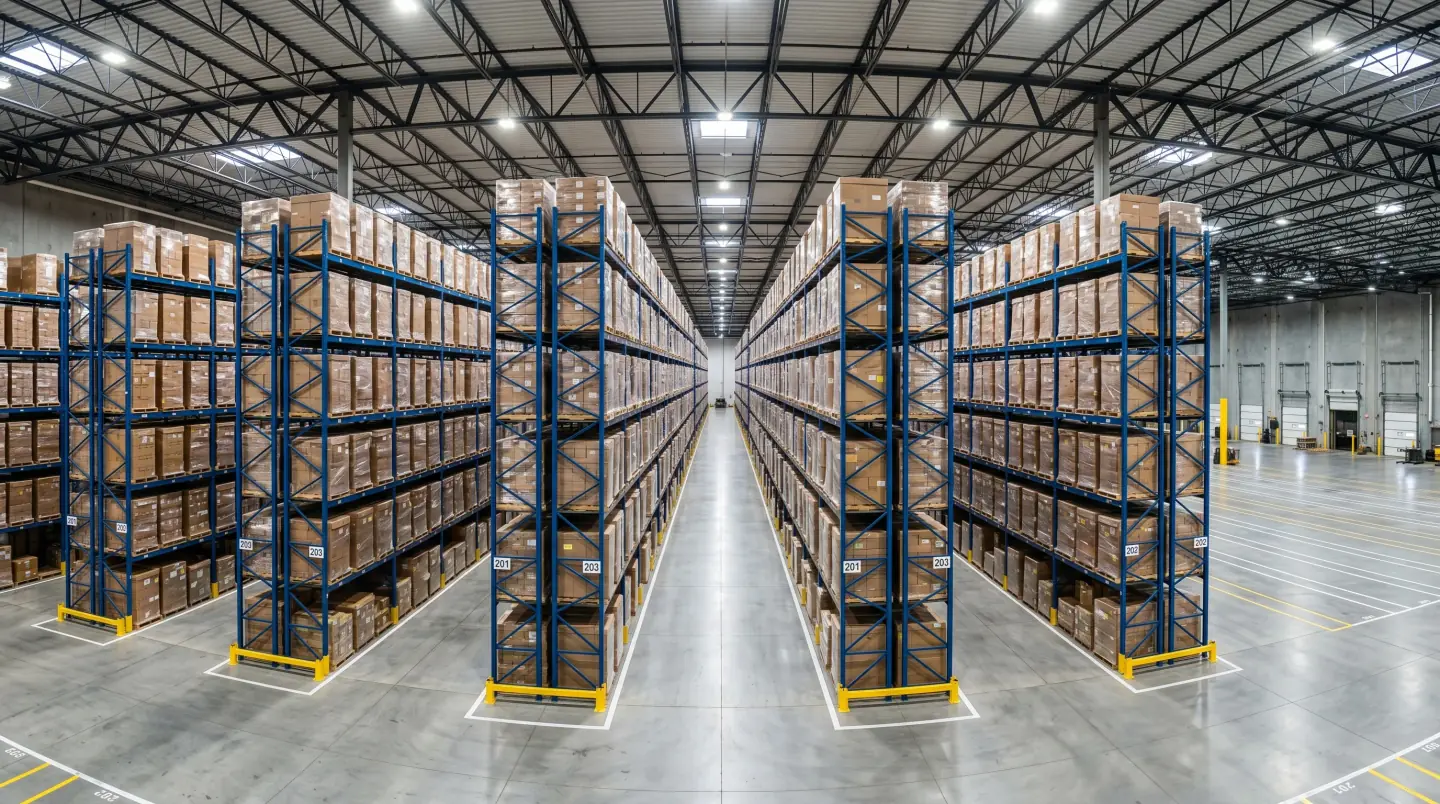
Pallet Racking & Shelving
Learn More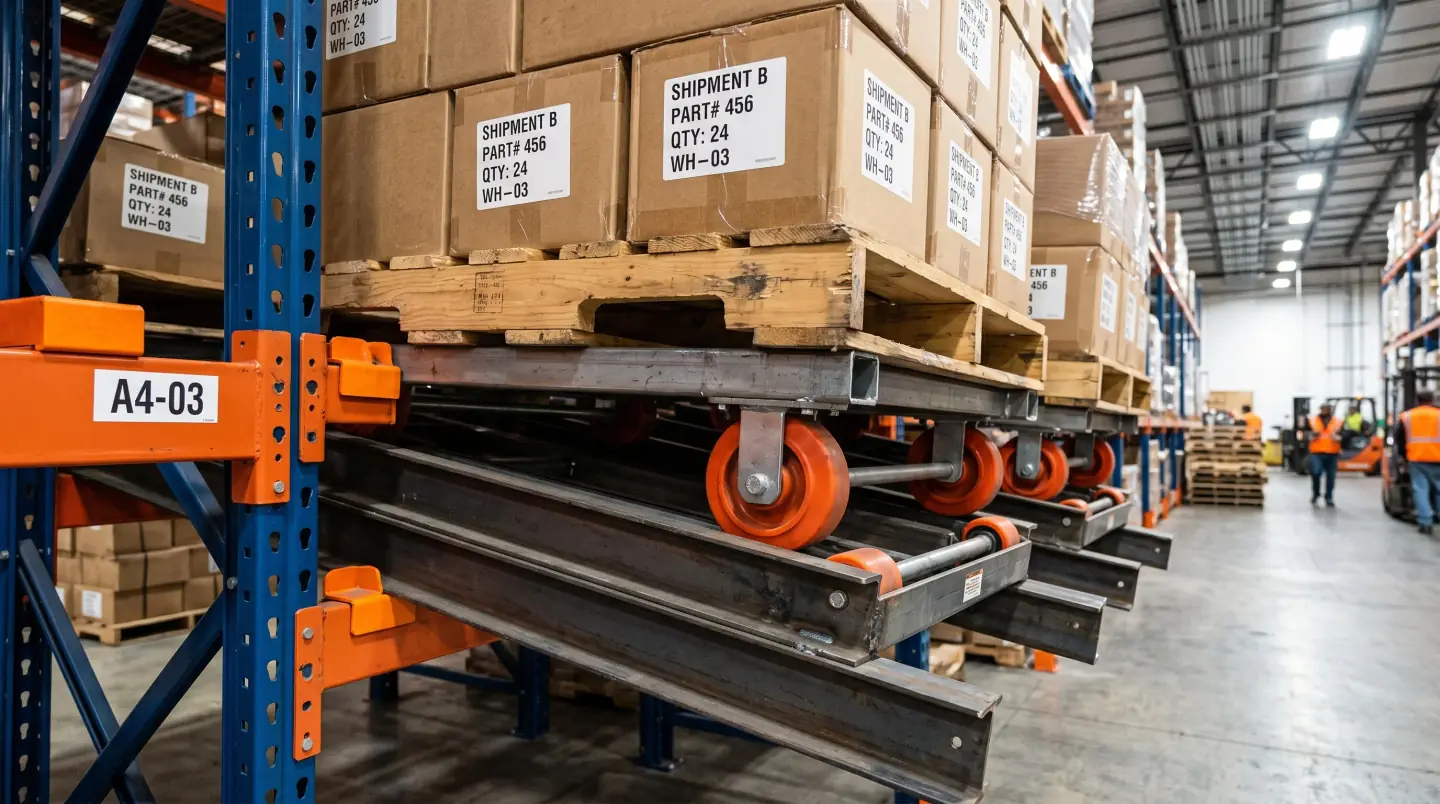
Pushback Rack
Learn More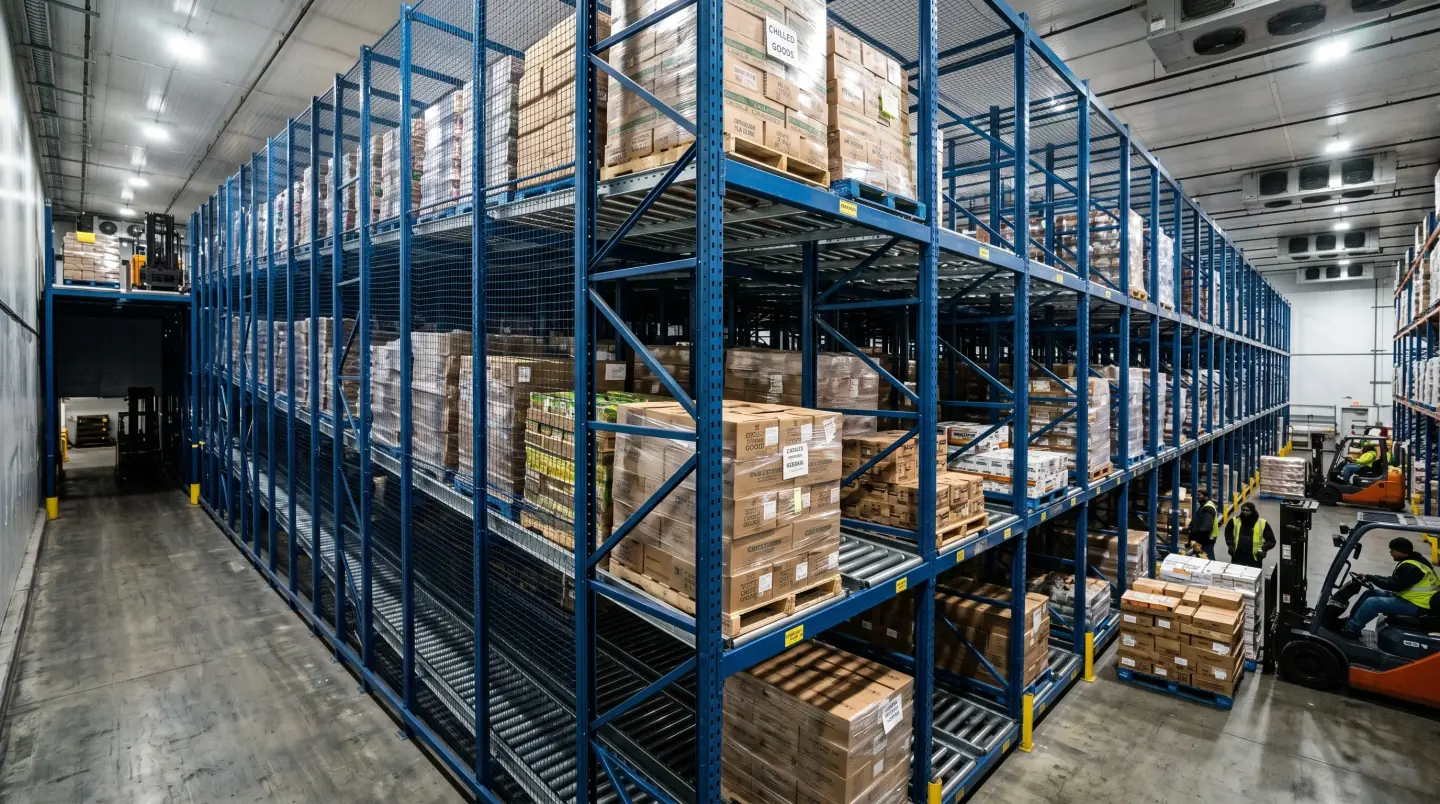
Pallet Flow Rack
Learn More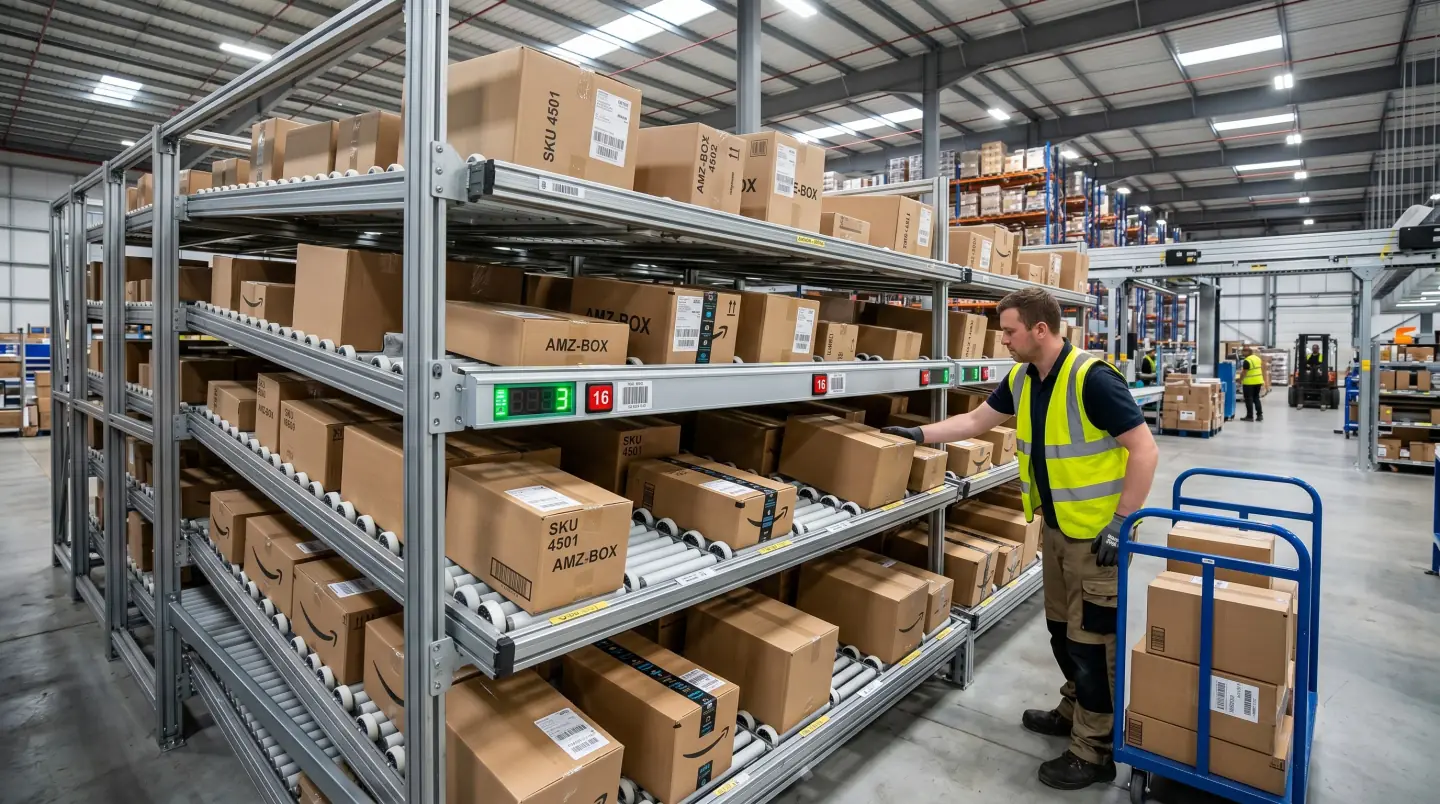
Carton Flow Rack
Learn MoreWhere we work
Cantilever Rack across the Dulles corridor
We deliver cantilever rack to warehouses across Loudoun, western Fairfax and Prince William counties. Pick your area for local permitting details, typical ceiling heights, and the industries we work with there.
- Sterling, VA Cantilever Rack
- Ashburn, VA Cantilever Rack
- Dulles, VA Cantilever Rack
- Leesburg, VA Cantilever Rack
- Purcellville, VA Cantilever Rack
- Chantilly, VA Cantilever Rack
- Herndon, VA Cantilever Rack
- Reston, VA Cantilever Rack
- Fairfax, VA Cantilever Rack
- Centreville, VA Cantilever Rack
- Manassas, VA Cantilever Rack
- Gainesville, VA Cantilever Rack
- Bristow, VA Cantilever Rack
- Haymarket, VA Cantilever Rack